Serving Morgan Hill, CA and surrounding areas. (669) 286-1363
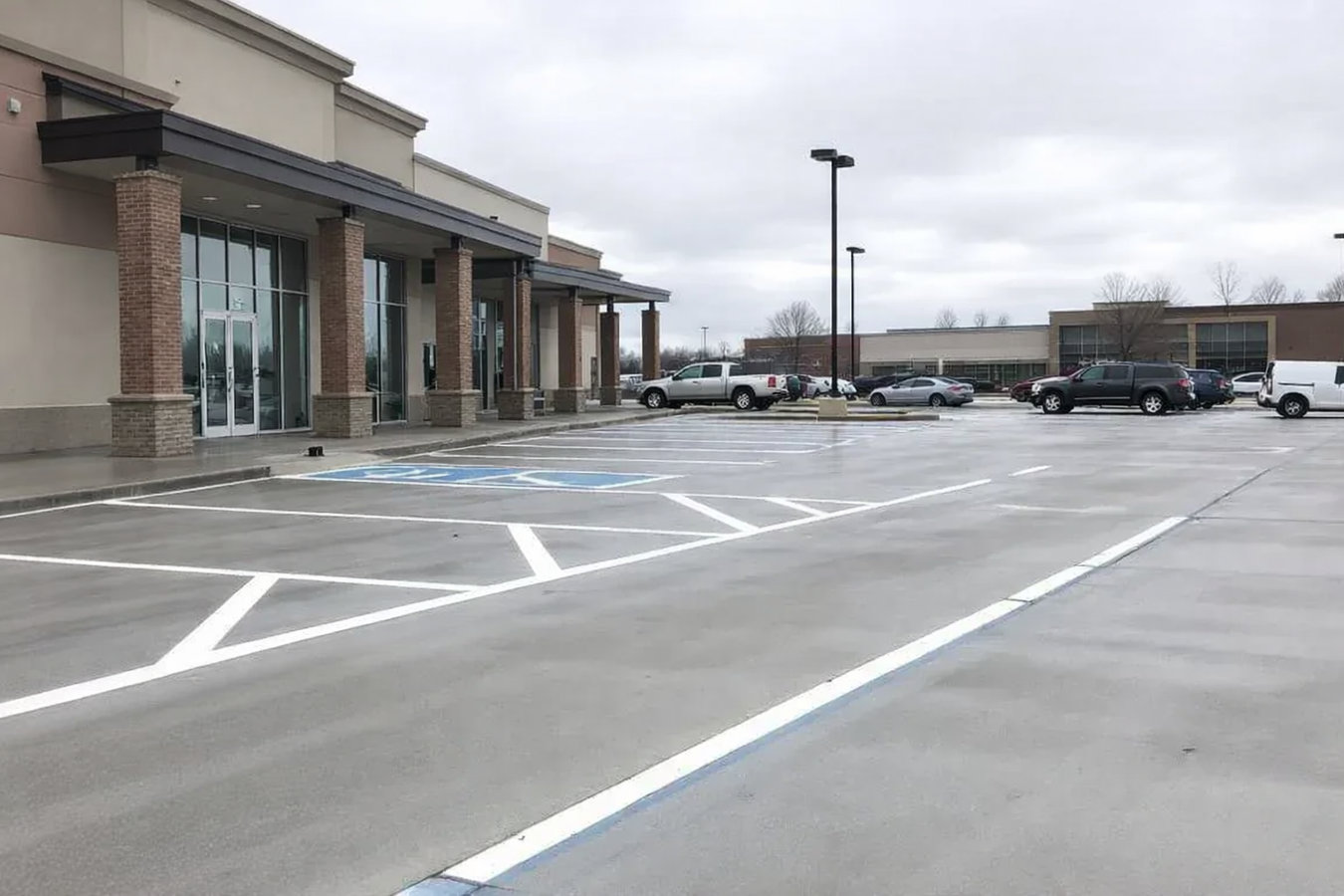
Your parking surface should handle Morgan Hill clay soils, hot summers, and rainy winters without cracking, pooling water, or needing constant repairs.
Your parking surface should handle Morgan Hill clay soils, hot summers, and rainy winters without cracking, pooling water, or needing constant repairs.
Concrete parking lot building in Morgan Hill means removing the existing surface, grading the ground for proper drainage, compacting a gravel base, pouring a reinforced concrete slab with control joints, and letting it cure - most residential or small commercial lots take three to seven days to complete, with permit review adding one to three weeks to the start of your project.
Most property owners in Morgan Hill consider a concrete parking lot when their existing asphalt or gravel surface has cracked beyond patching, when they are adding a structure that needs a paved approach, or when the current surface creates drainage problems that push water toward their building or a neighbor. Concrete is the more durable long-term choice here - a properly built lot can last 30 to 50 years compared to asphalt, which typically needs resurfacing every 15 to 20 years. If your project is a driveway rather than a lot, our concrete driveway building page covers that work in more detail.
The clay-heavy soil across much of Morgan Hill is one of the most important site factors to understand before any paving project. Soils that swell and shrink with the wet and dry seasons will crack a slab that was not built to handle that movement. Good base preparation is what separates a lot that lasts from one that fails in a few years.
If you are seeing cracks that have grown wider over time, or sections of pavement that have lifted or sunk unevenly, the base underneath has shifted. In Morgan Hill, this is often caused by clay soils expanding and contracting with the wet and dry seasons. Once the base is compromised, patching the surface is only a temporary fix - and every patch makes the next one more likely.
Standing water on a parking surface after a rainstorm means the drainage was not designed correctly, or settling has changed the slope over time. In Morgan Hill's rainy season, typically November through April, pooling water accelerates surface wear and pushes moisture toward your foundation. A new lot with a proper drainage plan solves this problem at the source rather than working around it.
If you have recently built or are planning an accessory dwelling unit, workshop, garage, or commercial addition, a gravel or dirt surface next to it creates drainage problems and looks unfinished. A concrete parking area ties the property together and adds measurable value - and it is far easier to build it as part of the overall project than to add it later once other work is complete.
Crumbling edges, large potholes, or a surface uneven enough to be a tripping danger are signs it is time to replace rather than repair. Beyond the appearance, a deteriorated surface can create liability issues if someone is injured on your property. If you are patching the same spots every year, the math usually favors starting fresh with a properly built concrete surface.
We handle parking lot projects end to end: permit application, demolition of the existing surface if needed, site grading for drainage, compacted gravel base installation, concrete forming, reinforced slab pour, control joint cutting, curing, and final city inspection. For property owners dealing with cracking or heaving on an existing driveway, our concrete driveway building service covers smaller residential paving in more detail - some properties need a targeted driveway replacement rather than a full lot rebuild.
For lots with significant load demands - delivery vehicles, RVs, or commercial traffic - the design changes. Slab thickness, base depth, and joint spacing all need to match the actual load the lot will carry. We also handle projects where concrete footings are needed alongside the lot for adjacent structures, and we coordinate both scopes so the sequencing works cleanly and does not create delays on either side.
Suited for homeowners replacing a cracked, heaved, or poorly draining asphalt or concrete surface on their property.
For property owners adding a paved surface where none exists - tied to a new structure, ADU, or property improvement project.
For business owners, rental properties, or HOA common areas that need a durable, permit-compliant concrete surface for regular vehicle use.
For lots that will carry RVs, delivery vehicles, or other heavy equipment - thicker slabs and deeper base preparation than standard passenger-car lots.
Two conditions in Morgan Hill make parking lot work more demanding than in many other areas. The first is the clay-heavy soil across much of the valley floor - it swells in wet winters and shrinks in dry summers, and that seasonal movement is the most common reason concrete lots crack and heave here. A contractor who does not account for it in base preparation is setting you up for a surface that fails before it should. The second condition is summer heat. Morgan Hill regularly sees temperatures above 90 degrees, and freshly poured concrete that dries too fast on the surface loses strength before it has cured properly. Getting the timing and curing right on a summer pour matters more here than in milder climates.
We work throughout Morgan Hill and the surrounding South County, including Gilroy and San Martin. Properties in these communities share the same soil conditions and permit environment as Morgan Hill, and the drainage and base preparation work we do reflects that. The California Stormwater Quality Association provides guidance on the stormwater requirements that apply to new paved surfaces in California - requirements that are part of the city permit review for any lot project here.
We visit your property before giving you a price - a quote based only on square footage without seeing drainage, slope, and soil conditions is not reliable. You will receive a written estimate that breaks down what is included. We reply to new inquiries within 1 business day.
We submit the permit application to the City of Morgan Hill on your behalf. Approval typically takes one to three weeks. You do not fill out forms or make calls - we handle it. You should know it is happening so you can factor that time into your project schedule.
Once the permit is approved, we remove the existing surface if there is one, grade the ground for proper drainage slope, and compact a gravel base layer. This prep work is what determines how well the finished lot holds up - it is not visible in the finished product, but it is the most important part of the job.
We pour the concrete early in the morning during summer heat, cut control joints, and mark off the area. Vehicles stay off for at least 7 days. After curing, we walk you through the finished lot, point out drainage direction and joint placement, and confirm any warranty terms in writing before we leave.
We visit your property, review the drainage and soil conditions, and give you a written quote - no obligation and no sales pressure.
(669) 286-1363We assess your specific lot before finalizing the base design - not after the concrete is poured. That means the right compaction depth, the right gravel thickness, and the right drainage slope for your property from day one. A slab built on a properly prepared base will handle Morgan Hill seasonal soil movement for decades.
We submit the permit application, coordinate the plan review, schedule required inspections, and give you the final signed permit record. You do not fill out forms or manage the city timeline. When the job is done, it is on record with the City of Morgan Hill - which matters when you sell or refinance your property.
We schedule pours for early morning during Morgan Hill summers and use proper curing techniques to prevent the surface from drying too fast. Concrete poured in 95-degree heat without the right approach loses strength before it sets. That shortcut is one of the most common reasons a new lot looks fine for a year and then cracks. We do not take that shortcut. The Portland Cement Association sets the hot-weather concreting standards we follow.
Where the water goes when it rains is not an afterthought on our projects - it is part of the design from the first site visit. A lot that does not drain correctly will pool water, accelerate surface wear, and can push runoff onto your neighbor or foundation. We show you the drainage plan before work begins and it is reviewed as part of the permit process.
Every parking lot we build in Morgan Hill reflects the same approach: assess the site honestly, prepare the base for local soil conditions, manage the pour for Bay Area summers, and finish with documentation that protects your investment. That is the baseline for doing this work right in this area.
Structural footings for the columns, walls, or load points adjacent to your new parking surface or any structures being built alongside it.
Learn MoreResidential driveway replacement and new driveway construction for properties where a smaller paved surface - rather than a full lot - is what you need.
Learn MoreContact Morgan Hill Concrete today - spring booking slots fill quickly and locking in your start date now avoids the summer rush. Free, no-pressure on-site estimates.