Serving Morgan Hill, CA and surrounding areas. (669) 286-1363
A deck, ADU, or room addition is only as solid as the footings underneath it - and in Morgan Hill, those footings need to account for clay soils and seismic zone requirements.
A deck, ADU, or room addition is only as solid as the footings underneath it - and in Morgan Hill, those footings need to account for clay soils and seismic zone requirements.
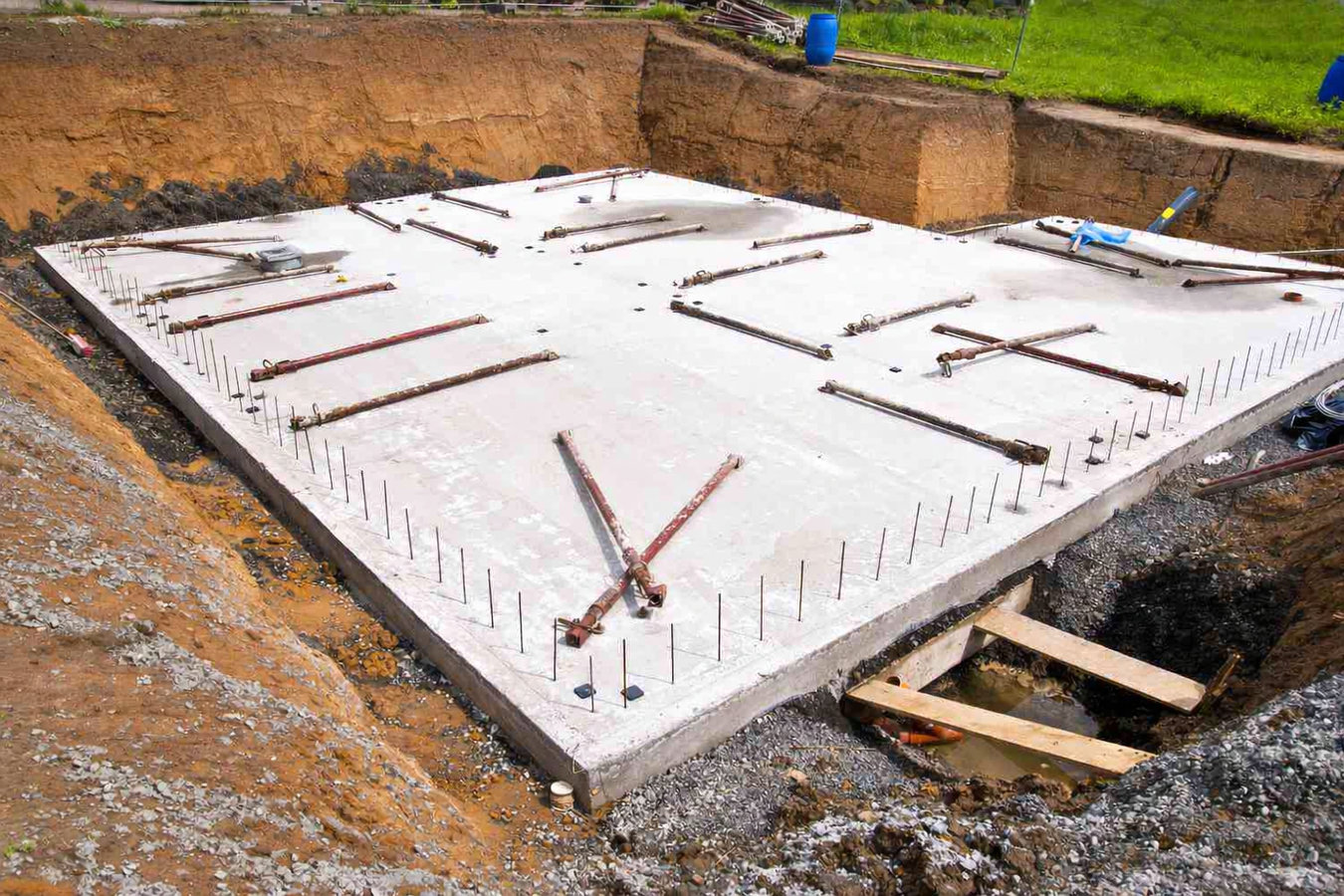
Concrete footings in Morgan Hill involve digging to the required depth, setting forms, placing steel reinforcement, passing a city pre-pour inspection, and pouring the concrete - most residential footing projects take one to three days on site, with the full timeline from first call to ready-to-build footings running two to four weeks once permit review and curing time are factored in.
A footing is the hidden base that sits below the ground and holds up whatever is built above it. Think of it like the feet of a building: if the feet are solid and correctly sized, everything above stays stable for decades. Without a proper footing, even well-built structures will shift, crack, or lean over time. In Morgan Hill, where the soil is clay-heavy and the area is seismically active, footings that were designed for average conditions will not hold up the way they should. If you are also building a full foundation for a new home or ADU, our foundation installation page covers that larger scope in more detail.
The most common footing projects we handle in Morgan Hill are for decks, room additions, detached garages, ADUs, and covered patios. Any of these attached to or near your home will need footings that are reviewed and inspected by the city before concrete is poured - and that inspection is actually one of the best protections a homeowner has on a structural project.
Any time you build something new that attaches to your home or sits on the ground - a deck, covered patio, room addition, garage, or ADU - you almost certainly need new concrete footings. Even if the ground looks solid, the footing is what connects your new structure to stable earth below the seasonal movement zone. Without it, the new addition will move independently from your home over time.
If a deck, porch, or outbuilding has started to tilt, pull away from the main structure, or show gaps where it used to sit flush, the footings underneath may have shifted or deteriorated. In Morgan Hill, the combination of expansive clay soils and wet winters can cause older shallow footings - poured before modern code requirements - to heave or settle unevenly. This is a safety issue, not just a cosmetic one.
Diagonal cracks at the corners of door frames or window openings are one of the most reliable signs that the foundation or footings beneath that part of your home have moved. This kind of movement is more common in Morgan Hill than in many other Bay Area cities because of the active seismic zone and the clay soils that shift seasonally. A crack that appeared after a wet winter or a dry summer is worth having evaluated by a contractor.
Morgan Hill has been an active ADU market for several years, and many homeowners are surprised to learn that even a detached backyard unit requires engineered footings. If you have started the ADU planning process and a contractor or the city building department has mentioned footings, that is your signal that this work is part of your project scope - not an optional add-on that can be skipped.
We handle footing projects end to end: permit application, site assessment, excavation, forming, steel placement, pre-pour city inspection, the concrete pour, and curing. For homeowners whose footing project is part of a larger foundation installation, our foundation installation service covers the full scope of new foundation work for homes, ADUs, and additions. Footings are the first step in most foundation systems - getting them right is what makes everything built on top of them stable.
We also handle standalone footing work for projects that do not require a full foundation - backyard decks, covered patio structures, detached accessory buildings, and freestanding retaining wall footings. If your project involves a concrete base for a new parking area or other large flatwork, we coordinate the footing and slab work together so sequencing does not create delays. Our foundation raising service addresses situations where existing footings have settled and the structure needs to be leveled and re-supported.
For homeowners adding a new deck, covered patio, or pergola structure - isolated pad footings that carry the post loads down to stable soil below the seasonal movement zone.
For homeowners building a room addition attached to their existing home - continuous or isolated footings that tie into the existing structure and meet current seismic requirements.
For detached or attached ADUs, guest houses, and garages - footings designed to meet Morgan Hill permit requirements, including seismic reinforcement for this fault zone.
For existing structures where older footings have settled, heaved, or failed - new supplemental footings that stabilize the structure and give it a solid base going forward.
Two conditions define footing work in Morgan Hill. First, the clay-heavy soil throughout much of the Santa Clara Valley swells when it absorbs water during wet winters and shrinks back when it dries out in summer. Footings that are not designed to go deep enough through this movement zone will heave and settle with the seasons - slowly cracking whatever is built on top. Second, the Calaveras Fault runs through the eastern hills of the city, and California building requirements for this seismic zone mean footings here need more steel reinforcement and specific design features than footings in lower-risk areas. Those requirements are built into the permit process, which means a properly permitted and inspected footing here is genuinely built for what this area throws at a structure.
We serve Morgan Hill and surrounding South County communities including Gilroy and Hollister, where many of the same soil and seismic conditions apply. The California Geological Survey maps seismic hazard zones across the state, including the fault activity near Morgan Hill that shapes how footings in this area must be designed and built.
We ask about what you are building, where on your property, and whether you have spoken to the city yet. Then we visit your property and look at the actual dig site. In Morgan Hill, this matters more than in many other cities - hillside lots, graded pads, and clay soils can all change what the footing needs to look like. We reply within 1 business day.
We pull the building permit from the City of Morgan Hill before any digging starts. You do not fill out forms or manage the city timeline - we handle the application. Budget a few days to a couple of weeks for permit approval. The permit means a city inspector will verify the work before concrete is poured, which protects you.
We dig the footing trenches to required depth, set forms to shape the concrete, and place steel reinforcement bars inside. This is the most active part of the job - expect some noise and excavated soil to manage. Most residential footing excavations are complete in a single day. The area will be off-limits during this phase.
A city inspector visits before any concrete goes in to verify depth, width, and steel placement. Once the inspection passes, the concrete is poured - usually same day or the next morning. Forms come off within a day or two, but full curing takes about 28 days. Your contractor will tell you when it is safe to build on top.
We visit your property, assess your soil conditions and lot history, and give you a written quote with no obligation and no surprises mid-project.
(669) 286-1363We visit your property and look at the actual dig site before quoting a price. In Morgan Hill, hillside lots, graded pads, and clay-heavy soil can all change what the footing design needs to look like - and a contractor who quotes without visiting is guessing. What we quote after a site visit is what you pay.
Every footing project we complete goes through the City of Morgan Hill permit and inspection process. That means there is an official record that the work was done correctly - something that matters when you sell your home, refinance, or need to demonstrate that an ADU or addition was built to code. Unpermitted structural work can create serious complications with buyers and lenders.
The 1984 Morgan Hill earthquake caused significant local damage, and the Calaveras Fault remains active. Every footing we build in this city is designed with the steel reinforcement and depth that California seismic requirements demand for this zone. That is not an upsell - it is the baseline for responsible footing work here. The California Geological Survey maintains the seismic hazard zone maps that inform these design requirements.
Morgan Hill has been one of the more active ADU markets in Santa Clara County in recent years. ADU footings have specific requirements that differ from a simple deck or fence post - smaller footprint, full seismic design, and coordination with the ADU permitting process. We have done this work here, and we know what the city expects at each inspection stage.
Every footing project we complete in Morgan Hill starts with an honest site assessment and ends with a permit record you can rely on. That is how structural work should be done in a city with this soil and this seismic history.
When existing footings have settled and a structure needs to be leveled, foundation raising restores it to its original position and re-supports it properly.
Learn MoreFull foundation installation for new homes, ADUs, garages, and additions - the larger scope that footings are the first step of on most structural projects.
Learn MoreContact Morgan Hill Concrete today - spring and summer project slots fill quickly, and a site visit is the only reliable way to give you an accurate estimate. Reach out now and we will get back to you within 1 business day.