Serving Morgan Hill, CA and surrounding areas. (669) 286-1363
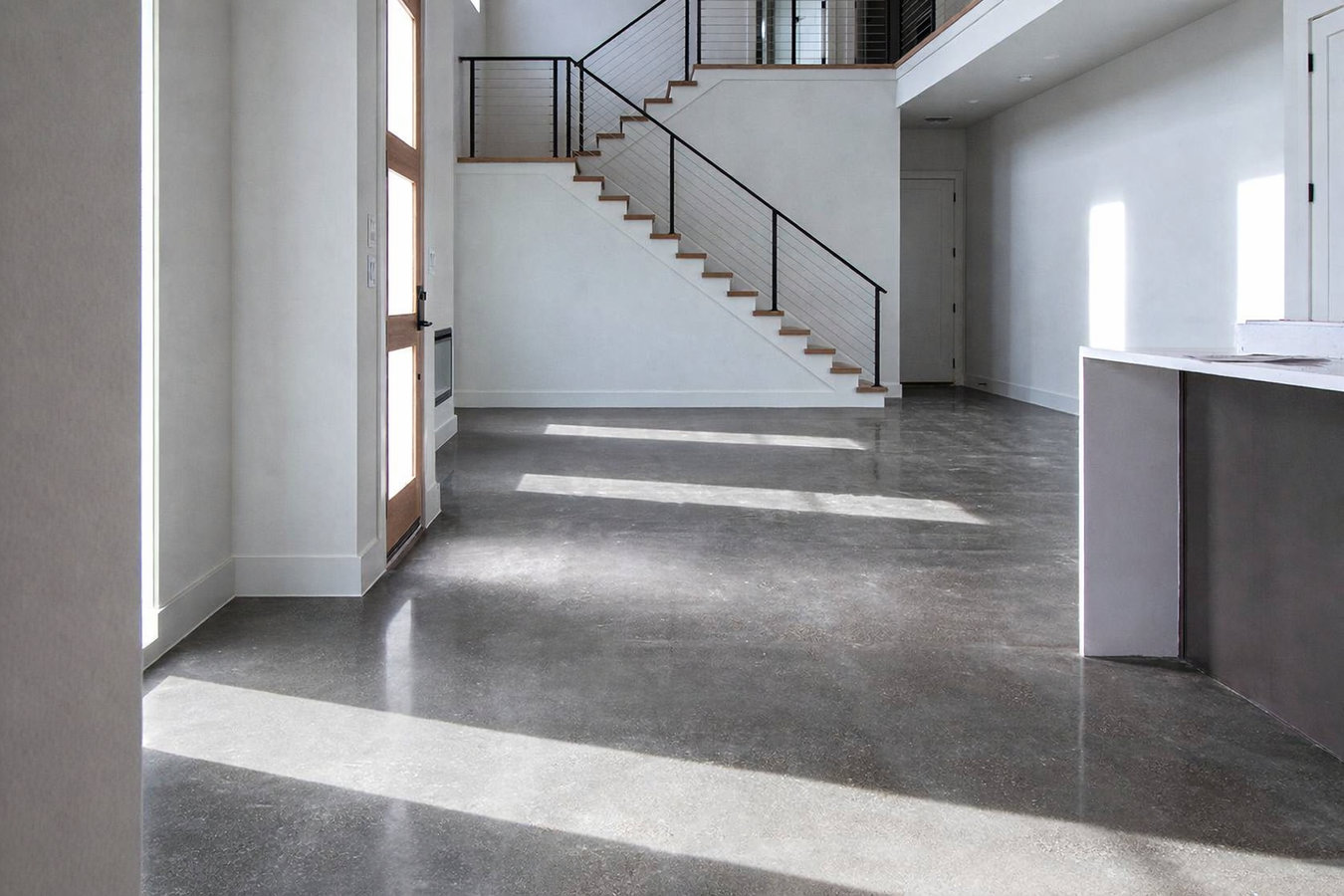
Cracked slab, water pooling, or a surface that has seen better days? We install concrete floors in Morgan Hill built for local soil conditions, with proper drainage and permit handling included.
Concrete floor installation in Morgan Hill starts with removing old material, compacting the soil and gravel base, pouring and finishing the slab, and allowing it to cure fully - most residential projects are completed in one to three on-site days, with vehicle traffic possible after about a week.
If your floor is cracking, pooling water, or has a surface that keeps deteriorating no matter how often you patch it, the issue is almost always underneath - not on top. Morgan Hill's clay-heavy soil shifts with every wet season and dry summer, and a slab poured without proper base preparation will keep reflecting that movement in new cracks. A correctly installed floor, with the right gravel base and drainage slope, should last several decades without the same problems returning.
Homeowners converting a garage, finishing a basement, or building out a workshop often find that concrete floor installation pairs naturally with garage floor concrete finishing options that add both durability and a cleaner appearance to the finished space.
If you have filled the same crack more than once and it keeps reappearing, the problem is underneath the surface. In Morgan Hill, the clay-heavy soil shifts seasonally - expanding in winter rains and contracting in dry summers - and that movement is often what keeps driving the cracking. Patching the surface without addressing what is underneath is a short-term fix for a long-term problem.
A properly installed concrete floor is slightly sloped so water runs toward a drain or the garage door opening. If puddles form in the middle of your floor or along the walls after rain or after washing your car, the drainage is not working correctly. Over time, standing water accelerates surface wear and works its way into cracks, making them worse.
Concrete floors that were poured with the wrong mix, finished too quickly, or exposed to repeated moisture cycles can develop a surface that flakes, pits, or constantly sheds a fine dust. This is called spalling, and once it starts it tends to spread. If your floor looks like it is slowly crumbling from the top down, a new pour is usually more cost-effective than continued patching.
Many Morgan Hill homes built in the late 1990s and early 2000s have garage slabs that are now entering the window where wear, settling, and surface deterioration become common. If your slab has cracks wider than a pencil, uneven sections you can feel underfoot, or areas where the surface has worn down noticeably, it may be time to talk to a contractor about whether repair or replacement makes more sense.
Every floor installation starts with removing the existing material or preparing the bare ground, then compacting the soil and laying a gravel base. This prep work is what most homeowners never see but is the single biggest factor in how long the new floor holds up. We pour to the correct thickness for your intended use - a floor meant for foot traffic in a converted room is different from one designed for vehicle parking or heavy workshop equipment. Reinforcement mesh or rebar goes in when the application calls for it.
Once the slab is poured and finished, you have options for how the surface looks and performs. A standard broom finish provides a textured, slip-resistant surface well suited to garages and outdoor areas. Polished and stained finishes can make a concrete floor look like stone or tile, which is popular in converted garages and indoor living spaces. For homeowners adding outdoor covered areas as well, we also handle concrete pool decks with the same approach to drainage and finish quality.
Best for garages, utility spaces, and outdoor covered areas where durability and slip resistance matter most.
Best for converted garages, workshops, or indoor living spaces where appearance is part of the goal.
Best for spaces that will carry vehicles, heavy equipment, or loads beyond normal foot traffic.
Much of Morgan Hill sits on the Santa Clara Valley floor where expansive clay soil is the norm. That soil swells when winter rains arrive and contracts when the summer heat sets in - a cycle that stresses concrete slabs from below every single year. Homes built in the late 1990s and early 2000s, which make up a significant share of Morgan Hill's housing stock, now have slabs reaching the age where seasonal soil movement and surface wear become visible. In neighborhoods near Coyote Creek and lower-lying parts of town, higher soil moisture levels add another layer of risk for slabs that were not installed with a vapor barrier or adequate drainage.
Timing your project for spring or fall gives the concrete the best curing conditions in this climate - summer heat and winter rain both complicate the process. We work throughout the South Bay, including in San Jose and Sunnyvale, and we apply the same soil-specific ground preparation to every project in the region.
We visit your property, measure the area, look at ground conditions and drainage, and give you a written quote. We respond within 1 business day of your inquiry - there is no obligation to commit after the visit.
If your project requires a building permit - common for garage floors and covered patios - we pull it on your behalf. This adds some lead time, usually one to three weeks, but it also means a city inspector will sign off on the finished work.
On pour day, the crew finishes ground preparation, sets forms, lays any reinforcement mesh, and pours the concrete. This is the most time-sensitive part of the job - the team works quickly and precisely before the concrete begins to set.
Once poured, the crew applies your chosen finish and marks the area off-limits. Foot traffic is safe after 24 to 48 hours. Vehicles stay off for a full week. If a permit was pulled, the city inspector visits and signs off before the job is complete.
We respond within 1 business day. Getting a quote means we visit your property, check the ground conditions, and give you a written number - no pressure, no obligation. Fill out the form below or call and someone from our office will follow up to schedule your estimate.
(669) 286-1363We compact the subgrade and install a gravel base layer designed to account for the seasonal expansion and contraction of Santa Clara Valley clay soils. That preparation is what keeps your floor flat and crack-free through the wet-dry cycle that repeats every year in Morgan Hill.
A garage floor that pools water after rain is wearing down faster than it should and potentially pushing moisture toward your walls. We finish every floor with a drainage slope built in so water moves where it is supposed to go - not where it wants to go.
We apply for the required City of Morgan Hill building permit, coordinate the inspection, and make sure everything is signed off before we call the job done. Your floor goes on record as permitted work, which protects you during any future home sale.
American Concrete InstituteA floor meant for foot traffic in a living space is poured differently than one designed for vehicle parking or heavy workshop use. We match slab thickness and reinforcement to your actual intended load - getting this wrong is one of the most expensive mistakes to correct after the fact.
Every floor we install is built from the ground up for the specific conditions of your Morgan Hill property - the soil type, the drainage patterns, and the intended use of the space. That foundation is what separates a floor that lasts 30 to 50 years from one you are patching within a few rainy seasons.
Extend your outdoor space with a pool deck that matches the finish quality and drainage design of your new floor.
Learn MoreUpgrade an existing garage slab with a polished, stained, or epoxy-ready surface once the new concrete is fully cured.
Learn MoreSpring and fall booking windows fill quickly - reach out now to lock in your project date before the ideal pouring season passes.