Serving Morgan Hill, CA and surrounding areas. (669) 286-1363
Morgan Hill Concrete serves Sunnyvale with concrete floor installation, driveway replacement, patio construction, and retaining walls for ranch homes and newer properties across the city. We are locally owned, fully licensed, and reply within one business day.
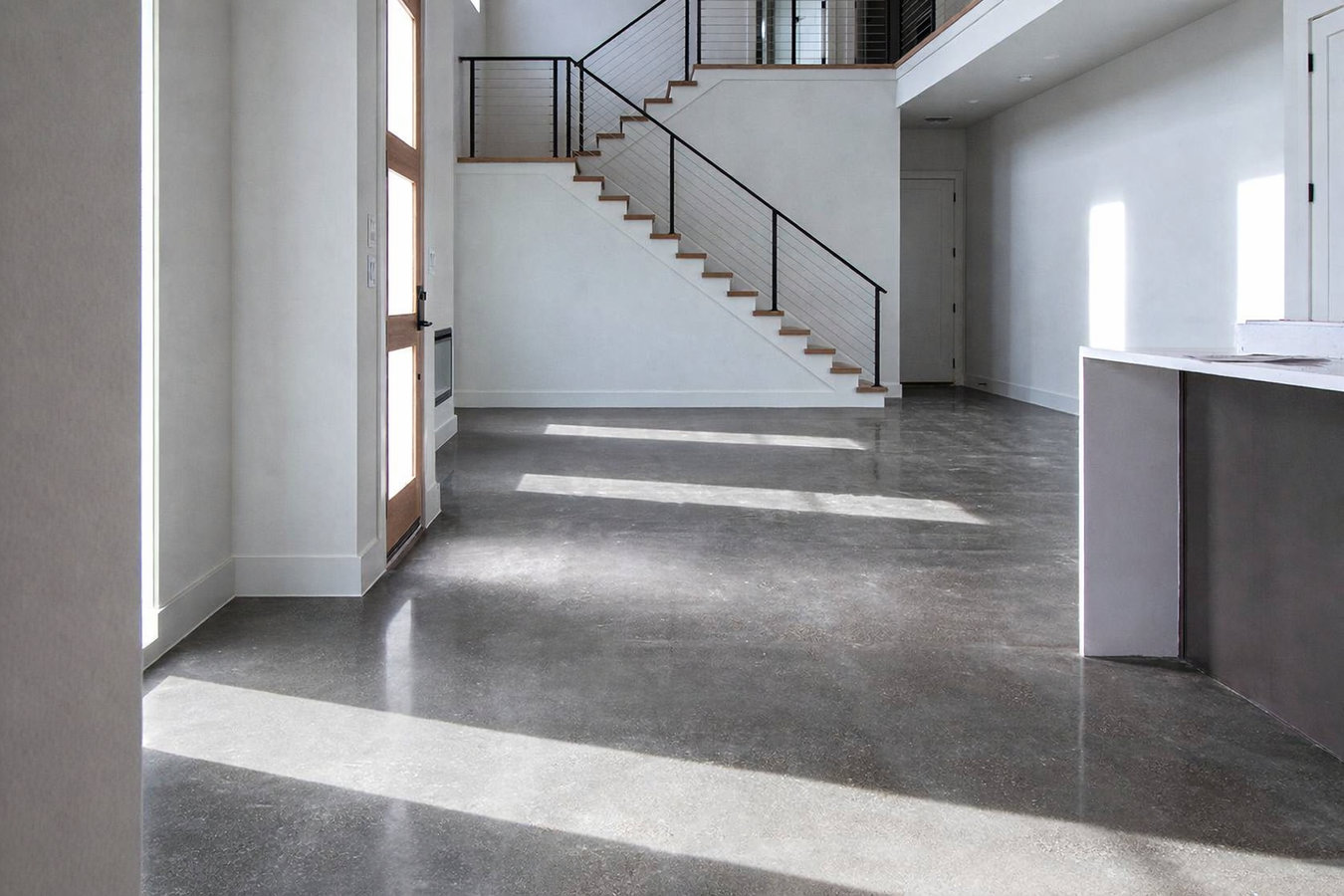
Sunnyvale garages, workshops, and accessory dwelling units frequently need new or upgraded concrete floors as homeowners convert and improve spaces on their compact ranch-home lots. We pour level, properly cured slabs built to handle the soil conditions and seismic requirements of this part of Santa Clara County. See full details on our concrete floor installation service.
Many Sunnyvale homes were built in the 1950s through 1970s and still have original driveways. The Santa Clara Valley's clay-heavy soils and decades of seasonal movement have left most of these slabs cracked, uneven, or patched beyond what repairs can fix. We replace them with properly compacted bases and control joints designed for this soil type.
Sunnyvale's dry summers make outdoor living practical for most of the year, and many homeowners here want a durable patio that holds up to summer heat without the ongoing maintenance of individual pavers. Poured concrete on a prepared base stays level even as the soil shifts through wet and dry seasons.
Sunnyvale lots with any grade change need retaining walls engineered for the clay soil conditions and the seismic loads present throughout Santa Clara County. Walls built without proper drainage behind them trap water and fail faster, which is why we include drainage planning in every retaining wall project we do here.
ADU construction and backyard structure additions have increased across Sunnyvale in recent years, and every one of them requires footings designed for local soil conditions and seismic zone requirements. We dig and pour footings to City of Sunnyvale building code specifications and coordinate the required inspections.
In a city where home values exceed $1.5 million, curb appeal matters. Stamped concrete gives Sunnyvale homeowners the look of stone or tile on driveways, front walks, and backyard patios without the maintenance burden of individual units that shift and separate over clay soils.
The bulk of Sunnyvale's single-family housing stock was built between the late 1940s and the early 1980s. These postwar ranch homes sit on relatively compact lots, and much of the concrete flatwork - driveways, walks, and patios - is original to the house, meaning it is now 40 to 70 years old. The underlying soils across the Santa Clara Valley are clay-heavy, and they expand during winter rains and contract through the dry summer months. That seasonal movement cracks and lifts concrete over time. Homes built during this era were often poured over minimal base preparation, so the slab has nothing supporting it when the soil shifts. Patching extends the life of a surface by a few years at most. Eventually, replacement with proper base work and control joints is the only lasting fix.
Sunnyvale also sits in a high seismic zone, and any concrete work tied to a structure - footings, stem walls, or retaining walls with surcharge loads - needs to be designed with that in mind. The city has been expanding its ADU approval process, and more homeowners are adding backyard units, garage conversions, and workshop spaces that all require inspected concrete foundations. Contractors unfamiliar with the City of Sunnyvale permit process can cost homeowners time and money when inspections fail or work has to be redone to meet code.
Our crew works throughout Sunnyvale regularly, and we understand the local conditions that affect concrete work here. We are familiar with the permit review process at the City of Sunnyvale Community Development Department and plan project timelines accordingly, including scheduling inspections at the right stages so work is not held up waiting for sign-off.
Sunnyvale is a city of distinct zones. Older neighborhoods near Murphy Avenue and the historic downtown area have the most age-worn flatwork, with driveways and patios that have been cracking since before many current owners bought their homes. Newer developments near the Caltrain corridor along El Camino Real have different lot configurations and access constraints. On the western edge of the city, where Sunnyvale borders Cupertino, the homes tend to be slightly larger and lots slightly wider - which changes how we stage equipment and materials. Knowing which part of the city a job is in shapes how we approach it from the first site visit.
We also serve homeowners in Milpitas, CA, to the southeast along the Highway 237 corridor. Both cities share the same alluvial valley floor soils and a comparable postwar housing stock, and our crews move between them on a regular basis.
Call or submit a request through our contact form and we will follow up within one business day. We ask a few questions about your project type and property before booking a site visit so we can arrive prepared.
We visit your Sunnyvale property, assess the existing conditions, and identify any soil, drainage, or permit factors relevant to your job. You receive a written, itemized estimate before any work begins - no surprises on the invoice.
If permits are required, we handle the City of Sunnyvale application and coordinate the inspection sequence. We give you a clear start date once permits are approved and weather conditions are suitable for the pour.
We complete the pour, finish to the agreed specification, and leave your property clean when we are done. We walk you through any curing requirements and confirm the concrete is ready for normal use before we close out the job.
We serve Sunnyvale homeowners and businesses with free on-site estimates. Call or submit a request and we will respond within one business day.
(669) 286-1363Sunnyvale is a mid-sized city of about 155,000 people sitting near the center of Santa Clara County, bordered by Santa Clara to the north, Cupertino to the west, and Mountain View to the northwest. The city grew rapidly during the postwar decades as Silicon Valley's technology industry took root nearby, and most of its single-family residential neighborhoods reflect that era. Ranch-style homes on lots of roughly 5,000 to 7,500 square feet make up the dominant housing type. The historic Murphy Avenue district near downtown is one of the city's most recognized landmarks, ringed by some of the oldest residential streets in Sunnyvale.
In recent years, Sunnyvale has added substantial new housing near transit corridors, including townhomes and condos along El Camino Real and near the Caltrain station. These newer properties have different maintenance needs than the older ranch-home stock. Median home values in Sunnyvale consistently sit above $1.5 million, reflecting the city's proximity to major tech employers and the quality of its neighborhoods. We also regularly serve customers in nearby Cupertino, CA, where the housing stock and soil conditions are closely comparable to Sunnyvale's western neighborhoods.
Custom outdoor patios that expand your living space beautifully.
Learn MoreOur schedule fills up quickly in spring and summer. Call or submit a request today and we will respond within one business day.